Unlock 1 USD to 20 African Currencies Live Rates Instantly.
Track today’s accurate 1 USD to 20 African Currencies Live Rates below.
- Unlock 1 USD to 20 African Currencies Live Rates Instantly.
- Introduction: The USD and Africa’s Business Future
- The Birth of the USD: A Currency Born from Independence
- The Gold Standard Era and Global Expansion
- Bretton Woods and Global Dominance
- The End of the Gold Standard and Modern USD
- Recent Drastic Changes and Current Challenges (2023-2025)
- What This Means for African Entrepreneurs on BusinessLinkAfrica
- Conclusion: Understanding the USD for African Business Resilience
- Global Currencies & Their Histories
Introduction: The USD and Africa’s Business Future
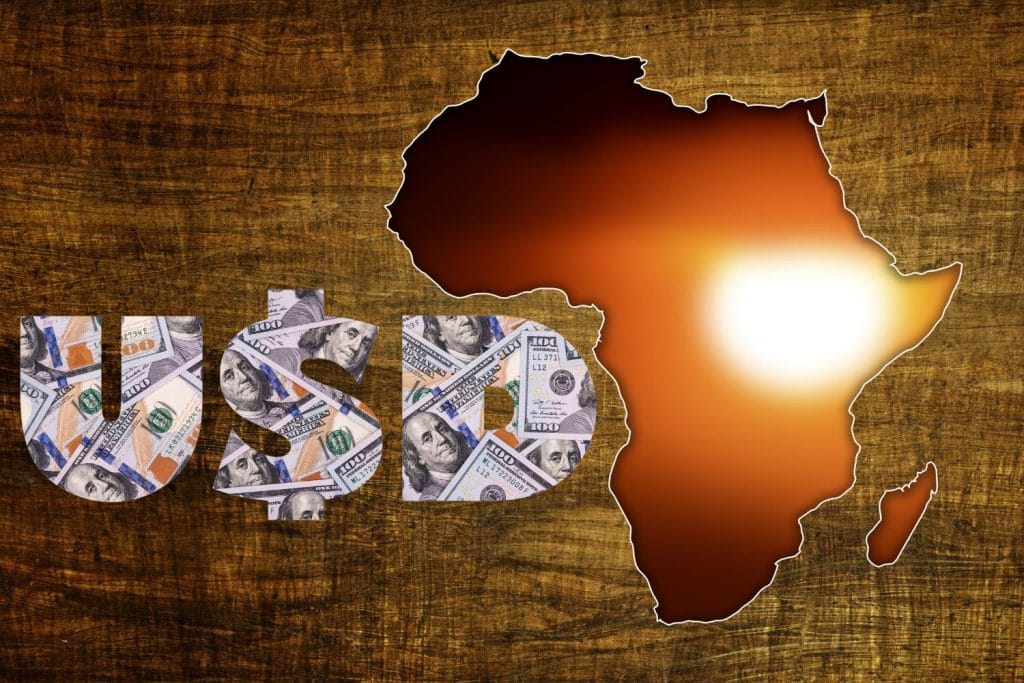
Discussing the US Dollar History and Future is critical for decision making purposes, especially within the context of African businesses and their future.
At BusinessLinkAfrica, we are committed to helping African businesses thrive by connecting them to global opportunities. One key aspect of building global trade bridges is understanding the world’s most dominant currency — the United States Dollar (USD). From its birth after American independence to its current status as the global reserve currency, the USD has shaped trade, economic stability, and business operations globally, including in Africa. Understanding the USD’s evolution empowers African entrepreneurs to make informed decisions, price competitively, and navigate cross-border transactions confidently.
The Birth of the USD: A Currency Born from Independence
In 1792, the Coinage Act established the US Dollar as the official currency of the newly independent United States, pegged to silver and gold to stabilize value and facilitate trade within and outside the young nation. The name “dollar” was inspired by the Spanish dollar, widely used in colonial America.
The Gold Standard Era and Global Expansion
Throughout the 19th century, the USD grew in strength, with the Gold Standard (formalized in 1900) pegging the currency to gold, ensuring global confidence in its value. This allowed the USD to become a preferred currency in international trade, facilitating the growth of the American economy.
Bretton Woods and Global Dominance
In 1944, the Bretton Woods Agreement established the USD as the world’s primary reserve currency, pegging other currencies to the dollar, which was convertible to gold. This cemented the USD’s dominance in global trade, allowing it to become the backbone of international transactions, including trade with African nations.
The End of the Gold Standard and Modern USD
In 1971, under President Nixon, the USD was decoupled from gold, transitioning to a fiat currency whose value is determined by trust, economic strength, and market dynamics. This ushered in the era of floating exchange rates, leading to fluctuations but also increasing flexibility in global markets.
Recent Drastic Changes and Current Challenges (2023-2025)
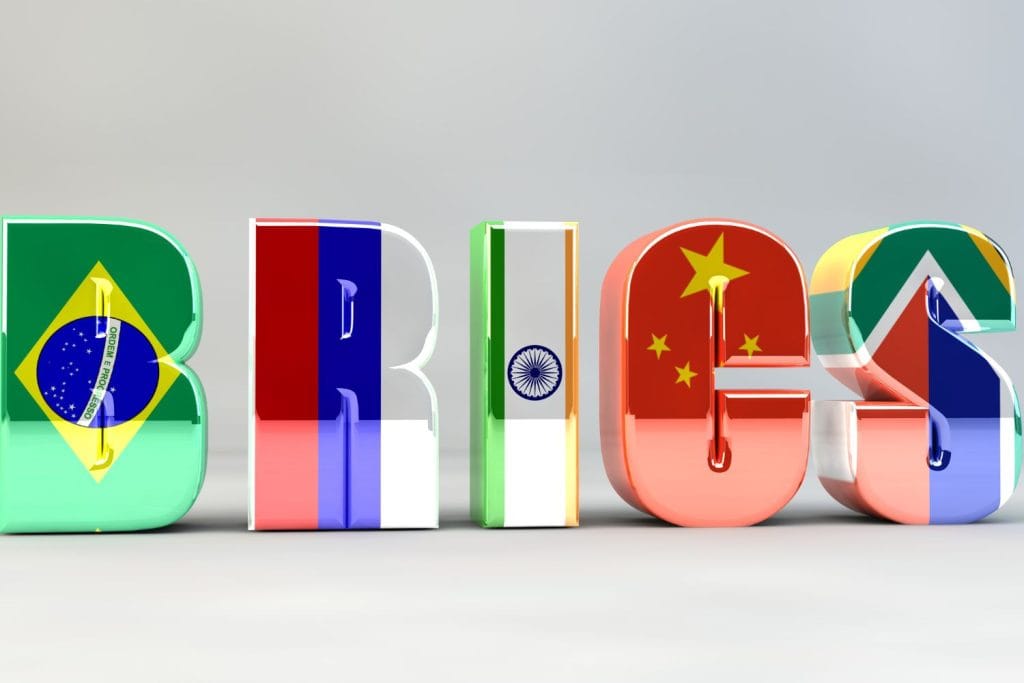
As of July 2025, the USD faces significant challenges:
- De-dollarization Trends: Several nations are seeking alternatives for trade settlements, including BRICS initiatives and local currency swaps.
- US Debt and Inflation Concerns: Rising debt levels and inflation have affected the USD’s purchasing power, influencing global market sentiments.
- Digital Dollar Developments: The US is exploring a Central Bank Digital Currency (CBDC), which may redefine how the USD is used in global transactions, potentially reducing remittance costs to Africa.
- Geopolitical Shifts: Sanctions, trade wars, and shifts in alliances have affected the USD’s stability, impacting businesses relying on the USD for imports, exports, and pricing.
Despite these challenges, the USD remains the most widely used currency for global trade, with around 60% of global foreign exchange reserves held in USD and over 88% of forex trades involving the dollar.
What This Means for African Entrepreneurs on BusinessLinkAfrica
- Pricing Strategy: Understanding the USD helps African businesses price their services effectively for global clients.
- Remittances & Payments: Many African businesses receive payments in USD; knowing its fluctuations helps in planning.
- Trade Confidence: The USD still offers stability for cross-border transactions, making it an ideal benchmark for imports and exports.
- Future Planning: Tracking the USD’s evolution helps businesses prepare for digital dollar integration and alternative payment systems.
Conclusion: Understanding the USD for African Business Resilience
The US Dollar’s journey from silver-backed coinage to a digital future carries lessons for African businesses aiming for global reach. At BusinessLinkAfrica, we encourage entrepreneurs to stay informed about currency dynamics, empowering them to make strategic decisions that align with global economic realities while focusing on growth within Africa.
As you position your business for success on BusinessLinkAfrica, understanding the USD enables you to confidently transact, attract international customers, and scale your African business with a solid grasp of the world’s most influential currency.
Join BusinessLinkAfrica today to list your business for free for early birds, gain international visibility, and connect with customers across Africa and beyond while confidently navigating the world of global currencies.
Source: USD/NGN @ Tue, 3 Nov.
Source: USD/ZAR @ Tue, 3 Nov.
Source: USD/EGP @ Tue, 3 Nov.
Source: USD/KES @ Tue, 3 Nov.
Source: USD/GHS @ Tue, 3 Nov.
Source: USD/MAD @ Tue, 3 Nov.
Source: USD/TZS @ Tue, 3 Nov.
Source: USD/UGX @ Tue, 3 Nov.
Source: USD/XAF @ Tue, 3 Nov.
Source: USD/XOF @ Tue, 3 Nov.
Source: USD/DZD @ Tue, 3 Nov.
Source: USD/BWP @ Tue, 3 Nov.
Source: USD/ZMW @ Tue, 3 Nov.
Source: USD/ETB @ Tue, 3 Nov.
Source: USD/TND @ Tue, 3 Nov.
Source: USD/SDG @ Tue, 3 Nov.
Source: USD/RWF @ Tue, 3 Nov.
Source: USD/RWF @ Tue, 3 Nov.
Source: USD/MWK @ Tue, 3 Nov.
Source: USD/SLE @ Tue, 3 Nov.
Source: USD/LRD @ Tue, 3 Nov.