1 EUR to 20 African Currencies Live Rates + A Fresh Look at the Euro’s History and Future
Track today’s accurate 1 EUR to 20 African Currencies Live Rates below.
- 1 EUR to 20 African Currencies Live Rates + A Fresh Look at the Euro’s History and Future
- Introduction
- The Birth of the Euro: A Currency for Unity
- Key Milestones in the Euro’s Journey
- Drastic Changes Facing the Euro in 2025
- Why the Euro Matters for African Entrepreneurs
- Conclusion: Stay Ahead with BusinessLinkAfrica
- Global Currencies & Their Histories
Introduction
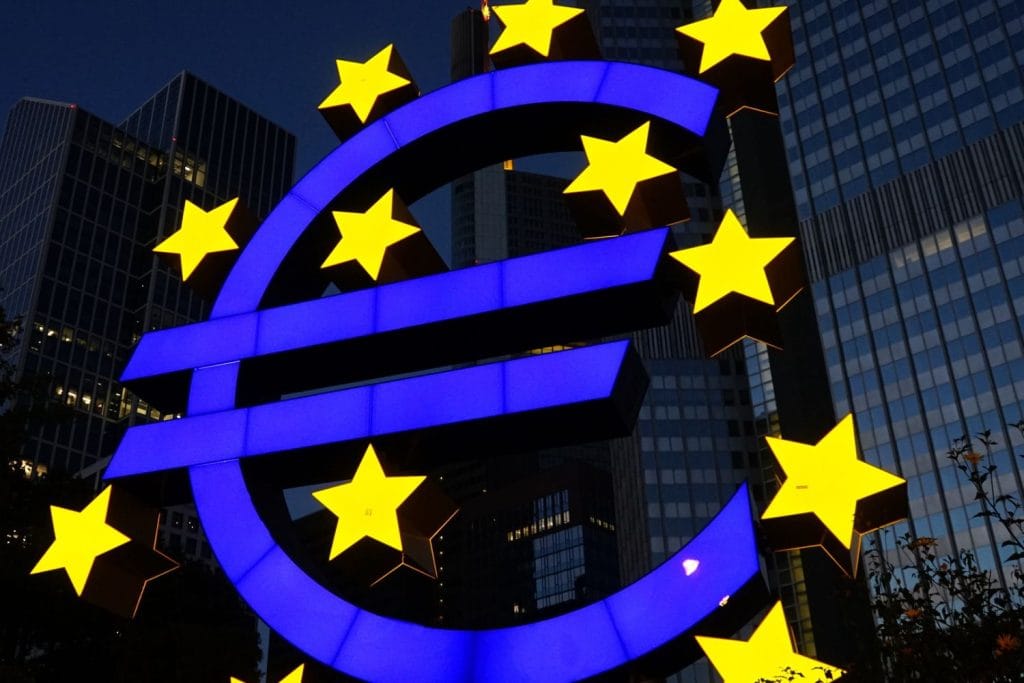
At BusinessLinkAfrica, we empower African entrepreneurs with practical, timely insights to strengthen decisions in a globally connected marketplace. Understanding the Euro (EUR), its evolution, and its current challenges is crucial for business owners dealing with imports, exports, or investments linked to Europe. Today, we explore the story of the Euro, its milestones, its recent turbulence in 2025, and what its trajectory means for African businesses navigating currency exchange realities.
The Birth of the Euro: A Currency for Unity
The Euro was introduced in 1999 as an electronic currency for banking and financial transactions, with physical notes and coins entering circulation in 2002 across 12 European countries. It was created to simplify trade, increase price transparency, and stabilize the European economy under a single currency while maintaining individual nations’ fiscal policies.
Key Milestones in the Euro’s Journey
- 2002: Physical Euro notes and coins replace national currencies like the French Franc, German Mark, and Italian Lira.
- 2008 Global Financial Crisis: The Eurozone faced heavy strains, exposing weaknesses in fiscal coordination.
- 2010-2015 Eurozone Debt Crisis: Greece, Spain, Portugal, and Ireland required bailouts, leading to discussions on fiscal union.
- 2020 Pandemic Response: The EU launched a €750 billion recovery fund to support member economies.
- 2022 Energy Crisis: Triggered by geopolitical tensions, impacting Euro valuation.
- 2023 Digital Euro Discussions: The ECB advanced work on a digital Euro to modernize payments and maintain monetary sovereignty.
- 2024 ECB Policy Shifts: Interest rate adjustments to combat post-pandemic inflation, impacting the Euro’s global strength.
- July 2025: The Euro is experiencing new pressures from persistent inflation across certain EU states, rising protectionism, and ongoing debates about expansion to include new member countries.
Drastic Changes Facing the Euro in 2025

As of July 2025:
- Fluctuations against the USD due to shifting EU and US interest rate policies.
- Increased volatility linked to political changes within Europe, including new fiscal policy debates on debt ceilings and subsidies.
- Digital Euro pilots are now live in several member states, impacting payment systems.
- Trade slowdowns with African countries due to new EU environmental tariffs are influencing EUR-African trade settlements.
These factors affect importers, exporters, and travelers in Africa, making it vital to monitor live EUR exchange rates.
Why the Euro Matters for African Entrepreneurs
For African business owners:
- The Euro remains one of the most traded currencies globally, heavily influencing commodity pricing, remittances, and trade settlements.
- Many African countries import machinery, technology, and consumer goods from Europe, making EUR rates critical for pricing strategies and cash flow management.
- With new digital payment systems emerging, the Euro’s evolution will shape the future of cross-border payments for African businesses.
Conclusion: Stay Ahead with BusinessLinkAfrica

At BusinessLinkAfrica, we believe in empowering your decisions with accurate, up-to-date currency information paired with actionable insights on global economic trends. The Euro’s evolution is a story of resilience, challenges, and adaptation, and understanding it helps African businesses remain competitive in global trade.
Stay tuned to BusinessLinkAfrica for live EUR exchange rates, practical insights, and smart business guidance that keeps you ahead in Africa’s rapidly growing markets.